
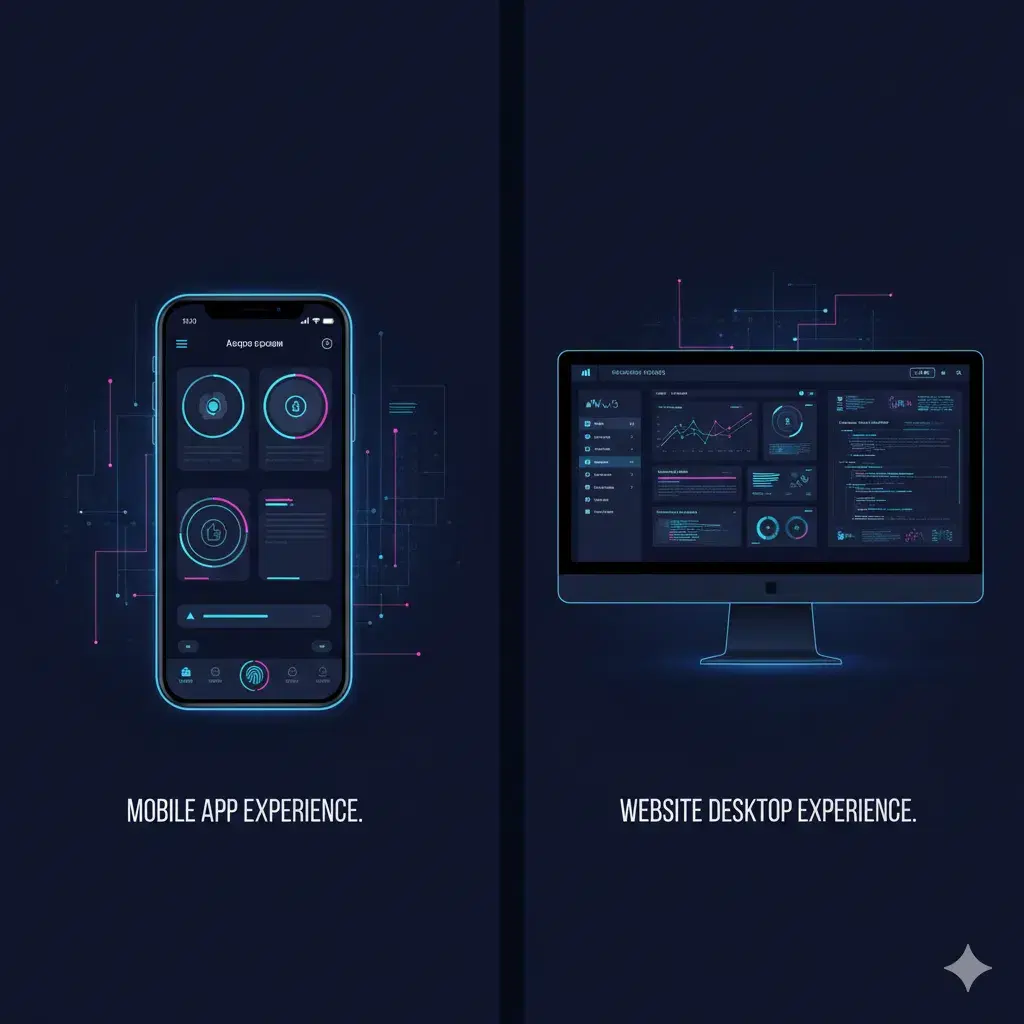
In 2026, mobile technology isn't just a convenience — it's central to how businesses connect with customers. Smartphones are ubiquitous, and consumer expectations have shifted: they want fast, personalized, and seamless experiences at their fingertips.
For many businesses, a mobile app can unlock engagement, loyalty, and revenue growth in ways a website alone cannot. However, apps are not a universal solution. For some businesses, an app may be unnecessary or even counterproductive if not aligned with strategy and customer behavior.
This article explores why a mobile app may be critical for your business in 2026, when it might not be needed, and what alternatives can achieve similar results.
Why Your Business Might Need a Mobile App
1. Enhance Customer Engagement
Mobile apps allow businesses to maintain constant, direct interaction with customers:
- Push notifications: Deliver timely promotions, reminders, or updates directly to users' devices.
- Loyalty programs: Reward repeat behavior with points, discounts, or special perks.
- Personalized experiences: Use app data to tailor content, recommendations, and offers.
- In-app messaging: Provide real-time customer support and maintain ongoing dialogue.
Unlike mobile websites, apps live on the user's device, keeping your brand top-of-mind and creating habitual interactions.
2. Gain Deep Customer Insights
Apps provide rich, real-time analytics that websites cannot always match:
- User behavior patterns
- Feature usage frequency
- Purchase history and preferences
- Engagement metrics and retention trends
These insights allow businesses to make data-driven decisions, optimize marketing, and enhance products or services, turning user behavior into actionable strategy.
3. Increase Conversion Rates
Mobile apps often outperform websites in driving conversions because:
- Users have stored payment details, enabling faster checkouts
- Navigation is streamlined, reducing friction
- Personalized offers encourage immediate action
- Gamification elements or in-app rewards can incentivize purchases
For e-commerce, subscription services, or recurring transactions, apps directly boost revenue while improving the customer experience.
4. Support Frequent or Recurring Engagement
Businesses with recurring customer touchpoints benefit most from mobile apps:
- Fitness and wellness programs
- Subscription-based media or education
- Food delivery and on-demand services
- Travel or transportation bookings
An app centralizes access, simplifies payment, and encourages habitual use, increasing retention and lifetime value.
5. Stand Out From Competitors
In competitive industries, a mobile app can be a differentiator:
- Demonstrates innovation and tech-savviness
- Provides a premium user experience
- Helps businesses maintain direct relationships instead of relying on third-party platforms
A well-designed app communicates professionalism and commitment to customer convenience.
When a Mobile App May Not Be Necessary
While mobile apps can be powerful, they are not a one-size-fits-all solution. Consider whether your business truly needs one:
1. Early-Stage or Local Businesses
Startups or small local businesses may benefit more from:
- Responsive mobile websites
- Social media engagement
- Marketplaces or third-party platforms
Building an app too early can consume resources without measurable ROI. Focus first on validating your business model and reaching your audience.
2. Low-Frequency Customer Interaction
If your customers only engage occasionally, they may not see value in downloading an app. Examples include:
- Specialty B2B services
- Seasonal or event-based offerings
- One-time purchases
A mobile website may suffice to deliver convenience without unnecessary maintenance costs.
3. Limited Resources for Maintenance
Apps require ongoing support:
- Regular updates to remain compatible with new operating system versions
- Bug fixes and security patches
- Monitoring performance across devices
Without dedicated resources, a poorly maintained app can harm your brand rather than help it.
4. When an App Won't Provide Unique Value
If the app duplicates a website or provides minimal additional benefit, users may not adopt it. Avoid creating a presence for the sake of tech — the app must solve a problem or enhance the experience.
Alternatives to Building a Full Mobile App
When a native app isn't practical, businesses can explore other mobile strategies:
- Progressive Web Apps (PWAs): Offer app-like functionality directly through a browser without requiring a download.
- Mobile-Optimized Websites: Fast, responsive, and accessible across all devices.
- Third-Party Platforms: Marketplaces, booking apps, or delivery services that already reach your audience.
These solutions can deliver many of the benefits of an app while reducing upfront costs and complexity.
Key Trends in 2026 Driving Mobile Adoption
- Mobile-First Behavior: Over 65% of all online interactions occur on mobile devices.
- Instant Gratification: Users expect faster access, smoother navigation, and frictionless transactions.
- Data-Driven Personalization: Customers prefer personalized experiences — achievable primarily through apps and integrated analytics.
- Integration with Emerging Tech: Apps can leverage AI, AR, and IoT to enhance service, engagement, and interactivity.
Ignoring these trends risks falling behind competitors who are embracing mobile-first strategies.
Final Thoughts
In 2026, mobile presence is essential — but "mobile presence" does not always mean building a native app.
Build an app if you want frequent engagement, personalized experiences, loyalty programs, subscription management, or higher conversion rates.
Focus on mobile websites or PWAs if interaction is occasional, your resources are limited, or the app cannot provide unique value.
The key is strategic alignment: a mobile strategy should match your business model, customer behavior, and growth goals.
A mobile app can be a powerful growth engine — but only when it's necessary, well-designed, and maintained. Otherwise, a well-optimized website or PWA can deliver the same impact with less risk and cost.
Considering a mobile app for your business? Contact VLO Labs to discuss whether an app, PWA, or mobile website is the right fit for your goals.