
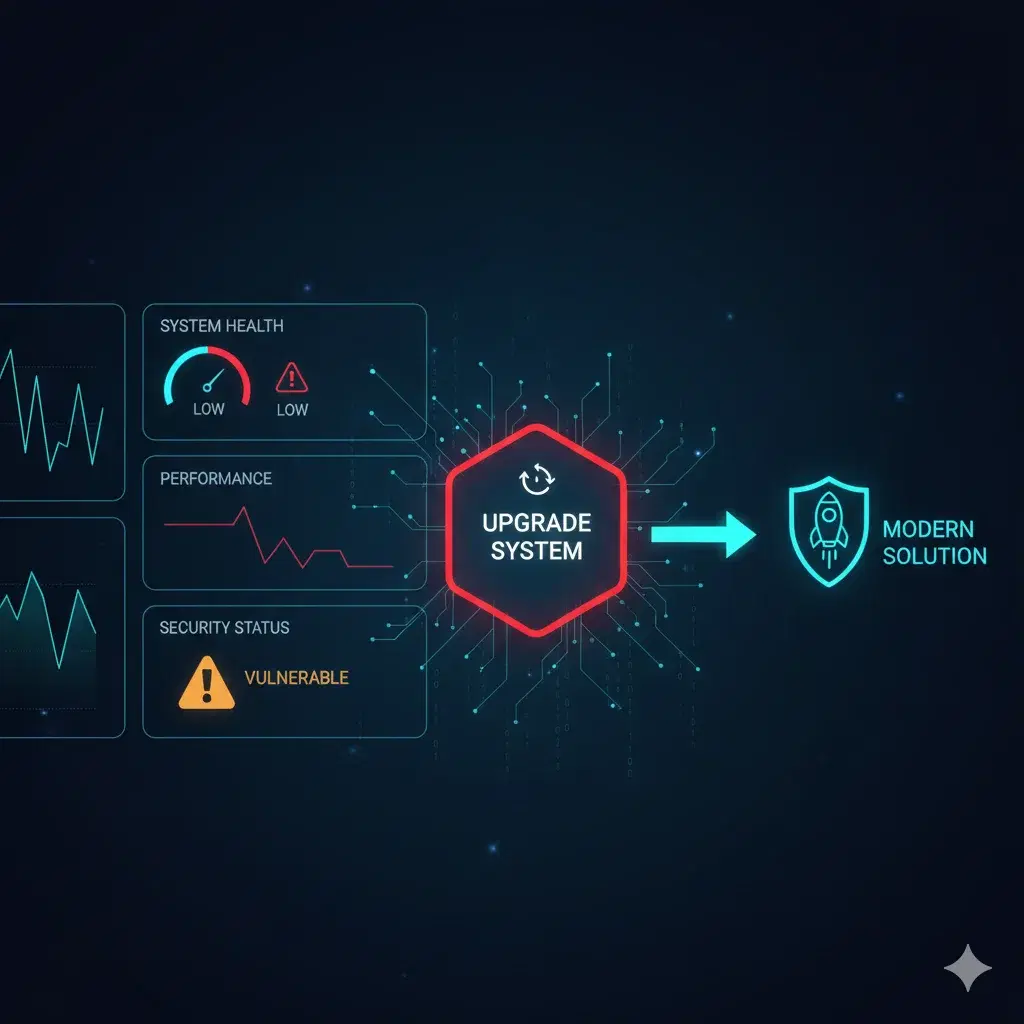
In 2026, software is not just a support tool — it is core infrastructure. It powers operations, manages customer relationships, tracks finances, secures data, and enables decision-making. Because software sits at the center of business performance, outdated or underperforming systems can quietly limit growth. The challenge is that decline often happens gradually. Small inefficiencies accumulate over time until they begin to affect productivity, revenue, and employee morale.
Recognizing when it is time to replace your current software requires objective evaluation. Businesses should not change systems impulsively, but they also should not tolerate tools that no longer align with operational needs. The decision to replace software is strategic, not cosmetic.
Persistent Inefficiency
One of the clearest indicators is persistent inefficiency. If employees consistently rely on manual workarounds, spreadsheets outside the system, duplicate data entry, or time-consuming processes, the software may no longer support operational demands. When a system creates friction instead of reducing it, productivity declines. High-performing teams should spend time on analysis, strategy, and execution — not compensating for system limitations.
Lack of Scalability
Another warning sign is lack of scalability. As businesses grow, software must handle increased data volume, additional users, expanded workflows, and higher performance requirements. If your system slows down during peak usage, struggles to process large datasets, or requires costly upgrades just to maintain stability, it may not be built for future growth. Scalable software should adapt smoothly as your organization expands.
Frequent Technical Issues
Frequent technical issues also signal deeper problems. Regular crashes, performance lags, integration failures, or delayed updates reduce reliability. Even short system interruptions can disrupt operations and create downstream inefficiencies. Over time, these issues erode trust in the system and force employees to seek alternative methods to complete tasks.
Integration Limitations
Integration limitations are another critical factor. Modern business environments rely on interconnected systems. If your current software cannot integrate with new tools, APIs, analytics platforms, or automation systems, it creates data silos. Fragmented systems slow decision-making and increase manual reconciliation work. When integration becomes difficult or impossible, replacing the system may be more efficient than forcing compatibility.
Security Concerns
Security concerns should never be ignored. Outdated software may lack modern encryption standards, advanced access controls, or regular security patches. In 2026, cybersecurity risks evolve quickly, and unsupported systems create vulnerability. If your vendor no longer provides updates or if compliance requirements cannot be met within the current platform, replacement becomes a risk management priority rather than a convenience.
Declining Vendor Support
Vendor support quality also plays a significant role. If response times are slow, communication is unclear, or updates are infrequent, the relationship may no longer support long-term stability. Software is not static; it requires ongoing maintenance and improvement. Weak vendor collaboration often results in stagnation. When support fails to meet operational needs, businesses should reassess their partnership and platform.
Limited Reporting and Analytics
Another indicator is limited reporting and analytics capability. Data-driven decision-making depends on accurate, accessible insights. If generating reports requires excessive manual effort, lacks real-time visibility, or produces incomplete information, leadership may struggle to make timely decisions. Modern systems should provide clear dashboards, automated reporting, and flexible data access.
Employee Feedback
Employee feedback is also an important signal. If teams express consistent frustration, difficulty navigating the system, or lack of confidence in its reliability, these concerns should be evaluated seriously. Morale and productivity are closely connected to the quality of internal tools. Persistent dissatisfaction may indicate that the software no longer fits organizational workflows.
Hidden Cost Inefficiencies
Cost structure can reveal hidden inefficiencies as well. While replacement may appear expensive, maintaining outdated systems often carries hidden costs. These include manual labor inefficiencies, third-party workarounds, integration patches, downtime losses, and security risks. When total cost of ownership exceeds the value delivered, replacement becomes financially justifiable.
Strategic Misalignment
It is also important to evaluate strategic alignment. Businesses evolve. Market conditions change. Customer expectations increase. If your software was implemented years ago for a different scale or model, it may no longer align with current strategy. Systems should support innovation, automation, and competitive positioning. When technology restricts agility rather than enabling it, modernization becomes necessary.
Making the Decision
However, replacement should not be automatic. Organizations should conduct a structured assessment. This includes analyzing performance metrics, identifying operational pain points, reviewing vendor roadmaps, calculating total cost of ownership, and comparing alternative solutions. In some cases, optimization or reconfiguration may extend system life. In others, a full replacement is more effective long term.
Timing also matters. Replacing software during major organizational change without proper planning can create disruption. A phased migration strategy, data transition plan, employee training program, and integration roadmap are essential for smooth implementation. Preparation ensures that replacement delivers measurable improvements rather than temporary instability.
Conclusion
It is time to replace your current software when inefficiencies become persistent, scalability is limited, security is compromised, integrations fail, vendor support declines, reporting is insufficient, or strategic alignment weakens. Software should accelerate growth, improve productivity, and support decision-making — not create friction.
In 2026, competitive businesses treat software evaluation as an ongoing strategic process. Replacing outdated systems is not about following trends. It is about ensuring that infrastructure supports performance, protects data, and enables long-term success. When technology aligns with operations and strategy, it becomes a multiplier of capability rather than a constraint.
Wondering if it's time to replace your software? Contact VLO Labs for a strategic assessment of your current systems.