
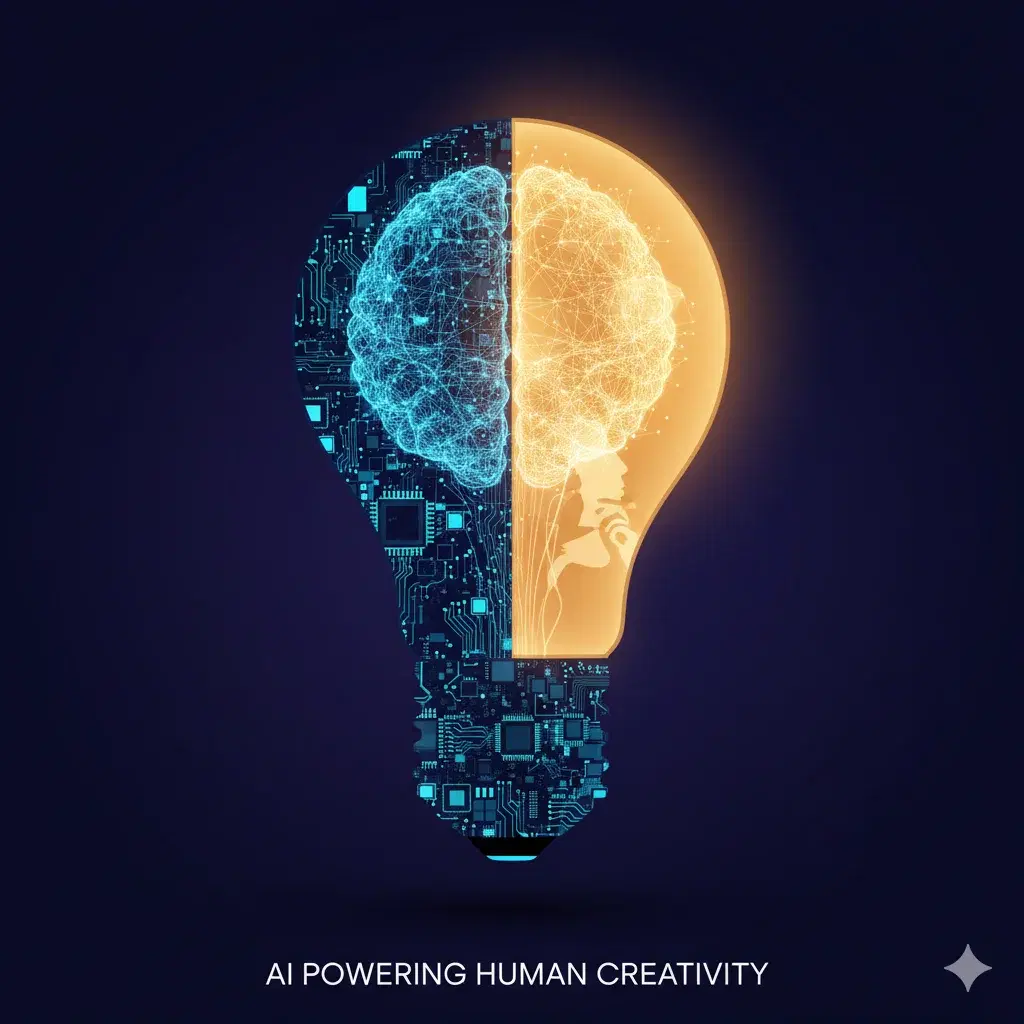
In 2026, artificial intelligence has become a practical tool for businesses across California. From small local companies to fast-growing startups and established enterprises, AI is now embedded in daily operations. It helps with communication, data analysis, automation, customer service, marketing, and internal workflows. However, despite rapid adoption, successful organizations are not using AI to replace people. Instead, they are carefully designing systems that combine automation with human judgment, empathy, and oversight.
California's business environment is highly competitive and innovation-driven. Companies must move quickly, respond to customer expectations in real time, and operate efficiently. AI provides the speed and scalability needed to meet these demands. At the same time, customers still value authentic relationships, personalized service, and human understanding. Businesses that recognize this balance are achieving the strongest results.
AI as a Collaboration Partner
The key principle behind this approach is collaboration. AI handles repetitive, data-heavy, and time-consuming tasks. Humans focus on creativity, strategy, emotional intelligence, and decision-making. Rather than viewing AI as a replacement for employees, forward-thinking companies see it as a productivity partner that enhances human capability.
Customer Support
One of the most common uses of AI in California businesses is customer support. AI-powered systems can respond instantly to frequently asked questions, categorize incoming requests, summarize customer histories, and route cases to the right department. This reduces response time and improves efficiency. However, when situations require nuance, empathy, or complex problem-solving, human agents step in. This hybrid structure ensures that customers receive both speed and personal attention. The result is a smoother experience without losing the human connection.
Sales and Marketing
In sales and marketing, AI tools analyze large volumes of customer data to identify patterns, predict trends, and optimize campaigns. They can suggest target audiences, improve timing, and evaluate performance metrics. This allows teams to make more informed decisions. However, creative direction, messaging tone, brand voice, and relationship-building remain human responsibilities. AI may provide insights, but humans shape the narrative and ensure communication feels authentic and aligned with company values.
Internal Operations
Internal operations are also benefiting from AI integration. Many businesses use AI to streamline documentation, summarize reports, automate routine administrative tasks, and organize information across systems. Employees spend less time searching for data and more time focusing on strategic work. This increases productivity while maintaining accountability. AI supports efficiency, but humans remain responsible for final outcomes.
Finance and Analytics
In finance and operations, AI helps detect anomalies, generate forecasts, and automate reporting processes. It processes data quickly and highlights insights that might otherwise go unnoticed. Leadership teams then use those insights to guide decisions. This division of roles strengthens analysis while keeping strategic authority in human hands.
Human Resources
Human resources is another area where balance is essential. AI tools can assist with resume screening, scheduling, and organizing applicant data. These capabilities save time and improve workflow management. However, hiring decisions, cultural alignment assessments, and final evaluations remain human responsibilities. This ensures fairness, context awareness, and ethical consideration throughout the process.
Trust and Transparency
California businesses are also paying attention to trust and transparency. Customers and employees want to understand how AI is being used. Companies that communicate clearly about their AI policies build stronger credibility. Transparency helps prevent misunderstandings and reinforces confidence in automated systems. When people know that AI is supporting, not replacing, human interaction, acceptance increases.
Governance and Oversight
Another important element is governance. Responsible AI use includes oversight, data protection, and ethical guidelines. Businesses that implement structured policies ensure that AI outputs are reviewed when necessary and that sensitive decisions involve human input. This approach protects both customers and organizations while enabling innovation.
Building the Right Culture
The cultural aspect of AI adoption also matters. Companies that encourage collaboration between employees and technology tend to see better outcomes. Instead of viewing AI as a threat, teams are trained to use it as a tool. This mindset shifts the focus from replacement to enhancement. Employees become more productive, creative, and strategic when supported by intelligent systems.
California's diverse industries — including technology, retail, healthcare, professional services, hospitality, and manufacturing — all benefit from this balanced strategy. In customer-focused industries, maintaining personal relationships is essential. In data-intensive industries, efficiency and automation are critical. AI allows businesses to achieve both simultaneously.
The Guiding Principle
The most successful organizations follow a clear principle: automate where appropriate, but keep humans in control of meaningful decisions. This model ensures that speed does not compromise quality and that efficiency does not eliminate empathy.
Ultimately, the future of AI in California is not about removing the human element. It is about strengthening it. AI handles large-scale processing, repetitive tasks, and predictive analysis. Humans contribute creativity, leadership, emotional intelligence, ethical judgment, and strategic vision. Together, they create a system that is both intelligent and human-centered.
In 2026, businesses that understand this balance are gaining a competitive advantage. They operate faster, respond more effectively, and maintain strong relationships with customers and employees. By integrating AI thoughtfully and responsibly, California companies are proving that technological advancement and human connection can coexist — and that the combination of both is what truly drives sustainable success.
Looking to integrate AI while keeping the human touch? Contact VLO Labs to explore balanced automation strategies for your business.