
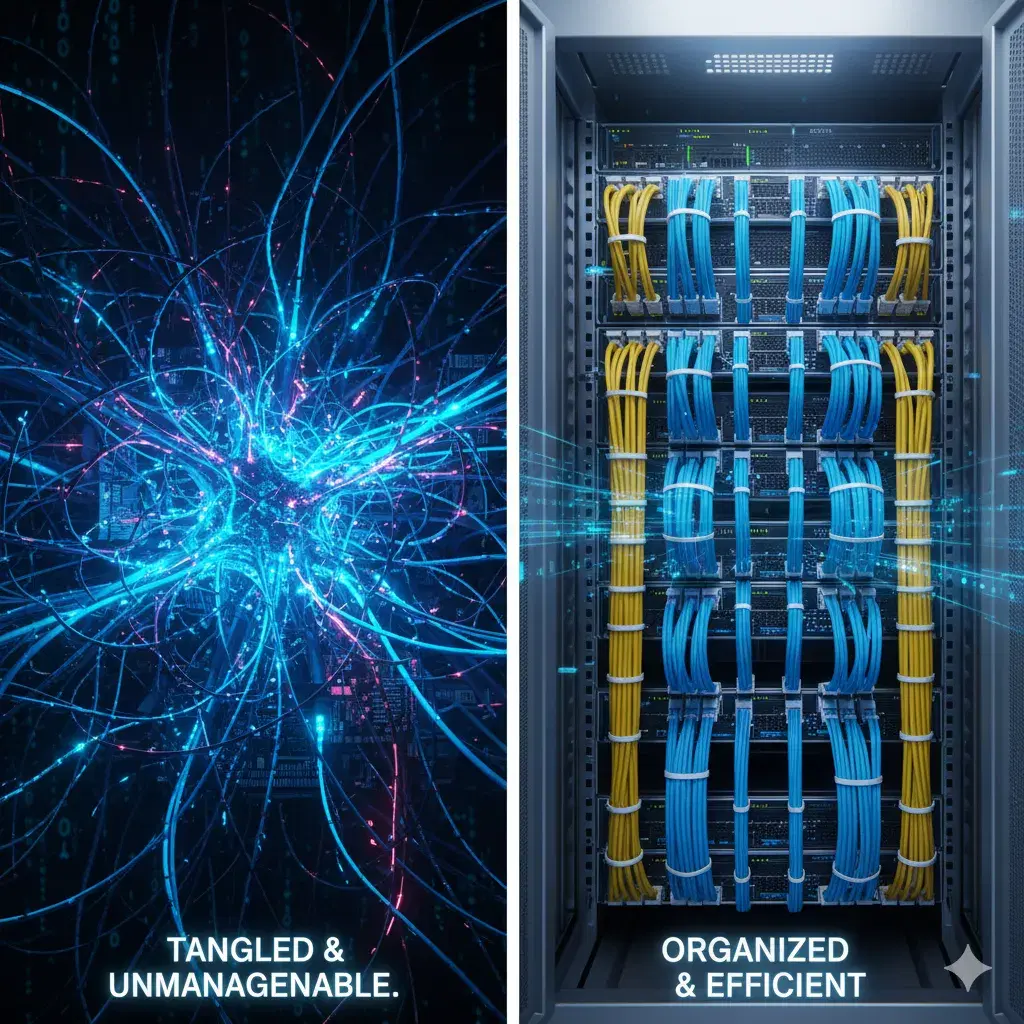
In today's fast-paced business environment, most companies rely on multiple digital tools: CRMs, accounting software, marketing platforms, project management apps, and more. Each tool is designed to improve efficiency — but when they operate in isolation, they often create data silos, manual work, and lost opportunities.
The solution? API integration. By connecting your business tools through APIs, you can automate workflows, unify data, and unlock efficiencies that are often hidden in plain sight.
What Is API Integration?
An API (Application Programming Interface) is a bridge that allows different software applications to communicate and share data.
API integration enables your business systems to:
- Exchange information automatically
- Trigger actions across platforms
- Keep data synchronized in real time
Rather than manually transferring data between apps, APIs make your technology stack work as one cohesive system.
The Hidden Costs of Disconnected Tools
Businesses that rely on unconnected tools face several inefficiencies:
1. Manual Data Entry
Copying information between systems is time-consuming and error-prone. Mistakes in spreadsheets, CRMs, or billing software can cause operational delays and lost revenue.
2. Fragmented Reporting
When data is scattered across tools, generating reports requires aggregating information manually. This slows decision-making and often leads to incomplete or outdated insights.
3. Workflow Bottlenecks
Teams waste hours moving data, updating multiple platforms, and reconciling conflicting information. These inefficiencies reduce productivity and frustrate employees.
4. Missed Opportunities
Disconnected systems can delay responses to leads, overlook customer touchpoints, or prevent timely follow-ups — directly affecting growth.
How API Integration Unlocks Efficiency
Connecting your business tools creates a seamless flow of information, improving operations across the board.
1. Automate Repetitive Tasks
API integrations can handle routine tasks such as:
- Syncing contacts between CRM and email marketing tools
- Updating inventory across e-commerce and POS systems
- Generating invoices from sales data automatically
Automation frees employees to focus on higher-value work.
2. Improve Data Accuracy and Consistency
Integrated systems ensure that all platforms have the same up-to-date information. No more discrepancies, lost data, or duplicate records.
3. Gain Real-Time Insights
With connected tools, reporting becomes faster, more accurate, and actionable. You can track KPIs across platforms without manual aggregation, enabling better strategic decisions.
4. Enhance Customer Experience
Data integration allows businesses to deliver more personalized experiences. Marketing campaigns, customer support, and sales interactions can all be informed by real-time, centralized data.
5. Scale Without Adding Headcount
As your business grows, API integration lets systems handle complexity automatically. Workflows scale without requiring proportional increases in staff.
Common API Integration Examples
- CRM + Marketing Automation: Automatically sync contacts and trigger campaigns based on customer behavior.
- E-Commerce + Accounting Software: Automatically generate invoices and update financial records.
- Project Management + Communication Tools: Sync tasks and deadlines across platforms for seamless collaboration.
- Analytics + Business Intelligence Tools: Aggregate data from multiple sources to generate real-time dashboards.
Getting Started with API Integration
-
Identify Bottlenecks – Map your workflows to see where manual data entry, delayed reporting, or disconnected systems are slowing your business.
-
Prioritize Tools – Focus on integrating the most critical platforms first (CRM, accounting, e-commerce, or marketing).
-
Choose the Right Integration Method – Some platforms offer built-in integrations, while others require custom API development.
-
Test and Monitor – Ensure data flows correctly and workflows operate as intended. Monitor regularly for errors or updates.
Final Thoughts
Disconnected business tools may seem manageable at first — but inefficiencies grow as your company scales. API integration transforms isolated software into a cohesive, automated ecosystem, unlocking productivity, accuracy, and hidden growth potential.
In the modern business landscape, integration is no longer optional — it's a strategic advantage.
Ready to connect your business tools? Contact VLO Labs to discuss custom API integration solutions for your operations.